Buy xxxnx.eu ?
We are moving the project
xxxnx.eu .
Are you interested in purchasing the domain
xxxnx.eu ?
domain@kv-gmbh.de · 0541-91531010
Buy xxxnx.eu ?
How can one change their self-concept?
One can change their self-concept by actively challenging and changing their negative beliefs about themselves. This can be done through self-reflection, seeking therapy or counseling, and practicing self-compassion and self-acceptance. Engaging in activities that promote personal growth and self-improvement, such as learning new skills or pursuing hobbies, can also help in changing one's self-concept. Surrounding oneself with supportive and positive people who uplift and encourage them can also contribute to a more positive self-concept. **
What is meant by self-concept in the workplace?
Self-concept in the workplace refers to how individuals perceive themselves in relation to their job, colleagues, and overall work environment. It includes their beliefs, values, skills, and attitudes that shape their identity and behavior at work. A positive self-concept can lead to higher job satisfaction, motivation, and performance, while a negative self-concept may result in lower confidence, job dissatisfaction, and decreased productivity. Developing a strong self-concept in the workplace involves self-awareness, self-acceptance, and continuous self-improvement. **
Similar search terms for Self-concept
Top-Angebote
Products related to Self-concept:


-
What is the self-concept in the psychology of Carl Rogers?
In the psychology of Carl Rogers, the self-concept is a central concept that refers to the individual's perception and understanding of themselves. It includes the beliefs, attitudes, and values that a person holds about themselves, as well as their understanding of their abilities, characteristics, and potential. Rogers believed that the self-concept is formed through interactions with others and is influenced by the feedback and experiences that individuals receive from their social environment. He also emphasized the importance of congruence between the self-concept and the actual experiences and feelings of the individual, as well as the role of unconditional positive regard in fostering a healthy and positive self-concept. **
-
What is the difference between a professional self-concept and professional principles?
A professional self-concept refers to how an individual perceives themselves in their professional role, including their skills, abilities, values, and beliefs about their work. It is a reflection of one's identity and understanding of their role in the workplace. On the other hand, professional principles are the ethical guidelines and standards that govern a person's behavior and decision-making in their professional life. These principles guide individuals in their interactions with colleagues, clients, and the broader community, ensuring that they act with integrity and uphold professional standards. In essence, while a professional self-concept is about one's self-perception in the workplace, professional principles are the moral compass that guides one's actions and decisions. **
-
How does one perform self-pleasure?
Self-pleasure, also known as masturbation, is a personal and intimate act of sexual self-stimulation. To perform self-pleasure, one can start by finding a comfortable and private space. Then, one can explore their body by touching and stimulating erogenous zones such as the genitals. Experimenting with different techniques, speeds, and pressures can help in finding what feels pleasurable. It's important to listen to one's body and communicate with oneself to discover what brings the most satisfaction. **
-
How do women practice self-pleasure?
Women practice self-pleasure in a variety of ways, as each individual may have different preferences and techniques that work best for them. Some common methods include using their hands or fingers to stimulate themselves, using sex toys such as vibrators or dildos, incorporating erotic literature or pornography for arousal, or experimenting with different positions or fantasies to enhance the experience. Ultimately, self-pleasure is a personal and intimate practice that allows women to explore their bodies, desires, and sexual pleasure. **


What are embarrassing self-pleasure stories?
Embarrassing self-pleasure stories are personal experiences that involve awkward or humiliating situations related to masturbation or self-pleasure. These stories often involve unexpected interruptions, being caught in the act, or accidentally revealing one's private activities to others. They can be embarrassing for the individual involved and may lead to feelings of shame or discomfort. Sharing these stories can help to normalize the experience and provide a sense of humor and understanding around a common aspect of human sexuality. **
What are other ways of self-pleasure?
Other ways of self-pleasure include using sex toys such as vibrators or dildos, exploring erogenous zones on the body through touch or massage, engaging in erotic literature or pornography, and practicing mindful self-pleasure techniques such as deep breathing and meditation. Additionally, some people may find pleasure in exploring their fantasies and desires through solo role-playing or using sensory stimulation such as temperature play or bondage. It's important to remember that self-pleasure is a personal and individual experience, and there are many different ways to explore and enjoy it. **
Top-Angebote
Products related to Self-concept:
-
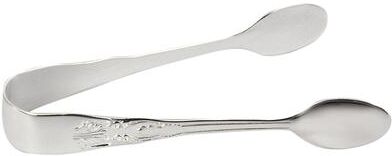
Elegance Heim Concept Sugar TongsThese tongs are constructed with stainless steel and features a beautiful silver-plated finish.Serve afternoon tea with this sugar tongs by Heim Concept Silver to match the Heim Concept of the tradition of serving tea.22,41 $*Shipping: 0,00 $Secure redirect to the provider
-
How can one change their self-concept?
One can change their self-concept by actively challenging and changing their negative beliefs about themselves. This can be done through self-reflection, seeking therapy or counseling, and practicing self-compassion and self-acceptance. Engaging in activities that promote personal growth and self-improvement, such as learning new skills or pursuing hobbies, can also help in changing one's self-concept. Surrounding oneself with supportive and positive people who uplift and encourage them can also contribute to a more positive self-concept. **
-
What is meant by self-concept in the workplace?
Self-concept in the workplace refers to how individuals perceive themselves in relation to their job, colleagues, and overall work environment. It includes their beliefs, values, skills, and attitudes that shape their identity and behavior at work. A positive self-concept can lead to higher job satisfaction, motivation, and performance, while a negative self-concept may result in lower confidence, job dissatisfaction, and decreased productivity. Developing a strong self-concept in the workplace involves self-awareness, self-acceptance, and continuous self-improvement. **
-
What is the self-concept in the psychology of Carl Rogers?
In the psychology of Carl Rogers, the self-concept is a central concept that refers to the individual's perception and understanding of themselves. It includes the beliefs, attitudes, and values that a person holds about themselves, as well as their understanding of their abilities, characteristics, and potential. Rogers believed that the self-concept is formed through interactions with others and is influenced by the feedback and experiences that individuals receive from their social environment. He also emphasized the importance of congruence between the self-concept and the actual experiences and feelings of the individual, as well as the role of unconditional positive regard in fostering a healthy and positive self-concept. **
-
What is the difference between a professional self-concept and professional principles?
A professional self-concept refers to how an individual perceives themselves in their professional role, including their skills, abilities, values, and beliefs about their work. It is a reflection of one's identity and understanding of their role in the workplace. On the other hand, professional principles are the ethical guidelines and standards that govern a person's behavior and decision-making in their professional life. These principles guide individuals in their interactions with colleagues, clients, and the broader community, ensuring that they act with integrity and uphold professional standards. In essence, while a professional self-concept is about one's self-perception in the workplace, professional principles are the moral compass that guides one's actions and decisions. **
Similar search terms for Self-concept
-
How does one perform self-pleasure?
Self-pleasure, also known as masturbation, is a personal and intimate act of sexual self-stimulation. To perform self-pleasure, one can start by finding a comfortable and private space. Then, one can explore their body by touching and stimulating erogenous zones such as the genitals. Experimenting with different techniques, speeds, and pressures can help in finding what feels pleasurable. It's important to listen to one's body and communicate with oneself to discover what brings the most satisfaction. **
-
How do women practice self-pleasure?
Women practice self-pleasure in a variety of ways, as each individual may have different preferences and techniques that work best for them. Some common methods include using their hands or fingers to stimulate themselves, using sex toys such as vibrators or dildos, incorporating erotic literature or pornography for arousal, or experimenting with different positions or fantasies to enhance the experience. Ultimately, self-pleasure is a personal and intimate practice that allows women to explore their bodies, desires, and sexual pleasure. **
-
What are embarrassing self-pleasure stories?
Embarrassing self-pleasure stories are personal experiences that involve awkward or humiliating situations related to masturbation or self-pleasure. These stories often involve unexpected interruptions, being caught in the act, or accidentally revealing one's private activities to others. They can be embarrassing for the individual involved and may lead to feelings of shame or discomfort. Sharing these stories can help to normalize the experience and provide a sense of humor and understanding around a common aspect of human sexuality. **
-
What are other ways of self-pleasure?
Other ways of self-pleasure include using sex toys such as vibrators or dildos, exploring erogenous zones on the body through touch or massage, engaging in erotic literature or pornography, and practicing mindful self-pleasure techniques such as deep breathing and meditation. Additionally, some people may find pleasure in exploring their fantasies and desires through solo role-playing or using sensory stimulation such as temperature play or bondage. It's important to remember that self-pleasure is a personal and individual experience, and there are many different ways to explore and enjoy it. **
* All prices are inclusive of VAT and, if applicable, plus shipping costs. The offer information is based on the details provided by the respective shop and is updated through automated processes. Real-time updates do not occur, so deviations can occur in individual cases. ** Note: Parts of this content were created by AI.