Buy xxxnx.eu ?
We are moving the project
xxxnx.eu .
Are you interested in purchasing the domain
xxxnx.eu ?
domain@kv-gmbh.de · 0541-91531010
Buy xxxnx.eu ?
What is transpiration in biology?
Transpiration is the process by which plants absorb water through their roots and then release it into the atmosphere through small openings in their leaves called stomata. This process helps plants to regulate their temperature, transport nutrients, and maintain their shape. Transpiration also plays a role in the water cycle by returning water vapor to the atmosphere. **
How does transpiration depend on humidity?
Transpiration is the process by which water is lost from a plant through the stomata in its leaves. Humidity affects transpiration because it is the measure of water vapor in the air. When the air is dry, with low humidity, the plant will transpire more to compensate for the lack of moisture in the air. Conversely, when the air is humid, with high humidity, the plant will transpire less because the air already contains a significant amount of water vapor. Therefore, transpiration is directly influenced by the humidity of the surrounding air. **

Similar search terms for Transpiration
Top-Angebote
Products related to Transpiration:
-
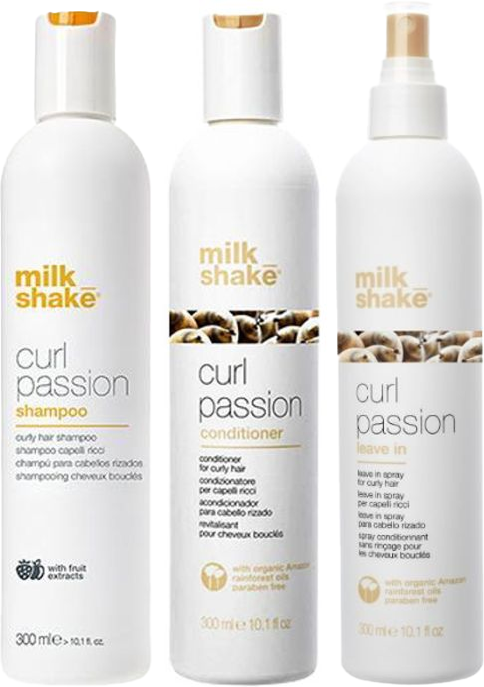
milk_shake curl passion shampoo 300ml, curl passion conditioner 300ml,Gently cleanse your hair while caring for your curls with this curly cleansing and conditioning pack from milk_shake. With professional-standard oils and natural ingredients, the Curl Passion Shampoo by milk_shake reinforces your hair's natural shape and eliminates frizz so it looks and feels stronger and healthier than ever. Enriched with organic milk and quinoa proteins as well as fruit extracts and organic pracaxi and babassu oils, the milk_shake Curl Passion Conditioner boosts softness and manageability, without weighing the hair down. The brand new milk_shake Leave In Conditioning Treatment is a treatment spray to help make curls soft, bouncy, flexible and long-lasting. Ingredients Shampoo: Aqua (Water), Sodium Coceth Sulfate, Disodium Laureth Sulfosuccinate, Cocamidopropyl Betaine, Acrylates Copolymer, Sucrose Cocoate, Glycerin, Sorbitol, Citrus Grandis (Grapefruit) Fruit Extract, Pyrus Malus (Apple) Fruit Extract, Prunus Persica (Peach) Fruit Extract, Sodium Hyaluronate, Styrene/Acrylates Copolymer, Xanthan Gum, Polyquaternium-7, Propylene Glycol, Guar Hydroxypropyltrimonium Chloride, Linalool, Hexyl Cinnamal, Limonene, Citronellol, Parfum (Fragrance), Citric Acid, Disodium EDTA, Phenoxyethanol, Methylisothiazolinone, Potassium Sorbate, Sodium Benzoate, CI 19140 (Yellow 5), CI 15985 (Yellow 6). Conditioner: Aqua (Water), Cetearyl Alcohol, Propylene Glycol, Behentrimonium Chloride, Glycerin, Butyrospermum Parkii (Shea) Butter, Cetrimonium Chloride, PEG-8 Dimethicone, Tocopheryl Acetate, Polyquaternium-28, Panthenol, Hydrolyzed Milk Protein, Hydrolyzed Quinoa, Helianthus Annuus (Sunflower) Seed Extract, Citrus Limon (Lemon) Fruit Extract, Vaccinium Myrtillus Fruit Extract, Pyrus Malus (Apple) Fruit Extract, Orbignya Oleifera Seed Oil, Pentaclethra Macroloba Seed Oil, Ethylhexyl Methoxycinnamate, Diethylamino Hydroxybenzoyl Hexyl Benzoate Parfum (Fragrance), Phenoxyethanol, Ethylhexylglycerin, Isopropyl Alcohol, Citric Acid, Sodium Benzoate, Potassium Sorbate, Butylene Glycol, Benzyl Alcohol, Glycine, Sodium Lactate, Sodium Citrate, Tocopherol, Benzyl Benzoate, Hexyl Cinnamal, Limonene, Caprylyl Glycol. Leave In: Aqua (Water), PEG-40 Hydrogenated Castor Oil, Amodimethicone, Cetrimonium Chloride, Polyester-37, Polyquaternium-22, Hydrolyzed Milk Protein, Trideceth-12, Hydrolyzed Quinoa, Helianthus Annuus (Sunflower) Seed Extract, Citrus Limon (Lemon) Fruit Extract, Vaccinium Myrtillus Fruit Extract, Pyrus Malus (Apple) Fruit Extract, Orbignya Oleifera Seed Oil, Pentaclethra Macroloba Seed Oil, Parfum (Fragrance), Phenoxyethanol, Caprylyl Glycol, Citric Acid, Butylene Glycol, Benzyl Alcohol, Tocopherol, Amyl Cinnamal, Benzyl Benzoate, Benzyl Salicylate, Citronellol, Coumarin, Geraniol, Hexyl Cinnamal, Limonene, Linalool. Perfectionist: Aqua (Water), Cyclopentasiloxane, Polysorbate 60, Glycerin, Myristyl Alcohol, Cetyl Alcohol, Stearyl Alcohol, PVP, Hydroxypropyl Starch Phosphate, Polyquaternium-10, Parfum (Fragrance), Phenoxyethanol, Sodium...81,72 £*Shipping: 0,00 £Secure redirect to the provider
-
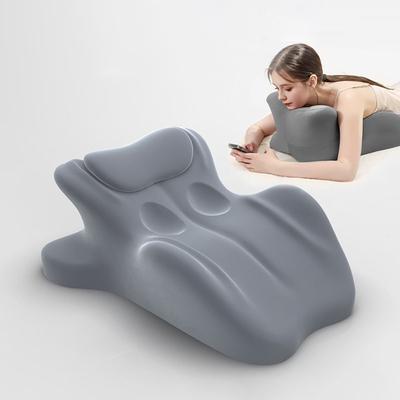
Youfap Market Memory Foam Wedge, Couple Pillow For Intimacy & Support, Lumbar Neck Support Memory Foam Wedge, Couple Pillow For Intimacy & Support, Lumbar Neck SupportUltimate Comfort and Support for Intimacy Designed for couples seeking better comfort, the Couple Pillow for Intimacy & Support features a memory foam wedge that helps achieve the perfect position during intimate moments. Its unique shape promotes...99,97 $*Shipping: 0,00 $Secure redirect to the provider
-
Nourison Desire Indoor Silver Abstract Area RugMake a bold statement with this abstract rug from the Desire Collection. Presented in neutral shades of grey and silver, it features a crisscross linear pattern with carved accents that add depth.205,00 $*Shipping: 0,00 $Secure redirect to the provider



-
What does a transpiration diagram look like?
A transpiration diagram typically shows the movement of water through a plant, from the roots to the leaves, and its subsequent release into the atmosphere through the process of transpiration. It often includes arrows to indicate the direction of water flow, as well as labels to identify the different parts of the plant involved in transpiration, such as roots, stem, and leaves. The diagram may also include annotations to explain the role of stomata in regulating transpiration and the factors that influence the rate of water loss. **
-
What is the significance of transpiration for plants?
Transpiration is essential for plants as it helps in the absorption of water and nutrients from the soil through the roots. It also helps in maintaining the plant's temperature by cooling the leaves through the process of evaporation. Additionally, transpiration plays a crucial role in the transportation of minerals and nutrients from the roots to the leaves and other parts of the plant. Overall, transpiration is vital for the overall health and growth of plants. **
-
Why do dead hair reduce transpiration in plants?
Dead hair reduces transpiration in plants because it forms a protective layer over the surface of the plant, reducing the rate of water loss through transpiration. This layer of dead hair acts as a barrier, preventing excessive water loss and helping the plant to conserve water in dry or arid conditions. Additionally, dead hair can also provide insulation, reducing the impact of environmental factors such as wind and sun exposure, which can further reduce transpiration. Overall, dead hair plays a crucial role in helping plants adapt and survive in challenging environmental conditions. **
-
How can an experiment on plant transpiration be conducted?
An experiment on plant transpiration can be conducted by setting up a simple apparatus called a potometer. This apparatus consists of a plant stem inserted into a capillary tube filled with water, allowing you to measure the rate of water uptake by the plant. By controlling factors such as light intensity, temperature, and humidity, you can observe how these variables affect the rate of transpiration in the plant. By recording the changes in water level in the capillary tube over time, you can calculate the rate of transpiration and draw conclusions about the factors influencing this process. **

How can the transpiration process in plants be investigated?
The transpiration process in plants can be investigated through several methods. One common method is to use a potometer, which measures the rate of water uptake by a plant. By measuring the change in water level in the potometer over time, the rate of transpiration can be calculated. Another method is to use a gas analyzer to measure the rate of water vapor loss from the leaves of a plant. Additionally, researchers can use isotopic labeling techniques to track the movement of water through the plant and determine the rate of transpiration. These methods provide valuable insights into the transpiration process and its role in plant physiology. **
How can one conduct an experiment on plant transpiration?
To conduct an experiment on plant transpiration, one can set up a simple experiment using potted plants, plastic bags, a scale, and a ruler. Start by placing a potted plant in a plastic bag and sealing it tightly. Leave the plant in a well-lit area for a set period of time, such as 24 hours. Weigh the plant before and after the experiment to measure the amount of water lost through transpiration. Use the ruler to measure the surface area of the leaves to calculate the rate of transpiration. **
Top-Angebote
Products related to Transpiration:
-
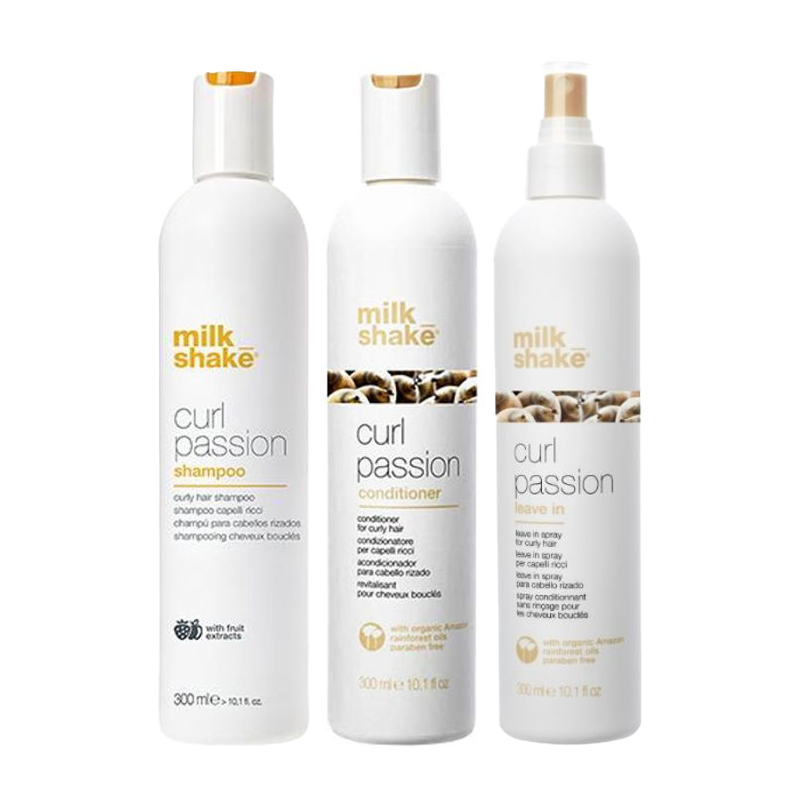
milk_shake curl passion shampoo 300ml, curl passion conditioner 300mlGently cleanse your hair while caring for your curls with this curly cleansing and conditioning pack from milk_shake. With professional-standard oils and natural ingredients, the Curl Passion Shampoo by milk_shake reinforces your hair's natural shape and eliminates frizz so it looks and feels stronger and healthier than ever. Enriched with organic milk and quinoa proteins as well as fruit extracts and organic pracaxi and babassu oils, the milk_shake Curl Passion Conditioner boosts softness and manageability, without weighing the hair down. The brand new milk_shake Leave In Conditioning Treatment is a treatment spray to help make curls soft, bouncy, flexible and long-lasting. Ingredients Leave In: Aqua (Water), PEG-40 Hydrogenated Castor Oil, Amodimethicone, Cetrimonium Chloride, Polyester-37, Polyquaternium-22, Hydrolyzed Milk Protein, Trideceth-12, Hydrolyzed Quinoa, Helianthus Annuus (Sunflower) Seed Extract, Citrus Limon (Lemon) Fruit Extract, Vaccinium Myrtillus Fruit Extract, Pyrus Malus (Apple) Fruit Extract, Orbignya Oleifera Seed Oil, Pentaclethra Macroloba Seed Oil, Parfum (Fragrance), Phenoxyethanol, Caprylyl Glycol, Citric Acid, Butylene Glycol, Benzyl Alcohol, Tocopherol, Amyl Cinnamal, Benzyl Benzoate, Benzyl Salicylate, Citronellol, Coumarin, Geraniol, Hexyl Cinnamal, Limonene, Linalool.60,17 £*Shipping: 0,00 £Secure redirect to the provider
-
milk_shake curl passion shampoo 300ml, curl passion conditioner 300ml,Gently cleanse your hair while caring for your curls with this curly cleansing and conditioning pack from milk_shake. With professional-standard oils and natural ingredients, the Curl Passion Shampoo by milk_shake reinforces your hair's natural shape and eliminates frizz so it looks and feels stronger and healthier than ever. Enriched with organic milk and quinoa proteins as well as fruit extracts and organic pracaxi and babassu oils, the milk_shake Curl Passion Conditioner boosts softness and manageability, without weighing the hair down. The brand new milk_shake Leave In Conditioning Treatment is a treatment spray to help make curls soft, bouncy, flexible and long-lasting. Ingredients Shampoo: Aqua (Water), Sodium Coceth Sulfate, Disodium Laureth Sulfosuccinate, Cocamidopropyl Betaine, Acrylates Copolymer, Sucrose Cocoate, Glycerin, Sorbitol, Citrus Grandis (Grapefruit) Fruit Extract, Pyrus Malus (Apple) Fruit Extract, Prunus Persica (Peach) Fruit Extract, Sodium Hyaluronate, Styrene/Acrylates Copolymer, Xanthan Gum, Polyquaternium-7, Propylene Glycol, Guar Hydroxypropyltrimonium Chloride, Linalool, Hexyl Cinnamal, Limonene, Citronellol, Parfum (Fragrance), Citric Acid, Disodium EDTA, Phenoxyethanol, Methylisothiazolinone, Potassium Sorbate, Sodium Benzoate, CI 19140 (Yellow 5), CI 15985 (Yellow 6). Conditioner: Aqua (Water), Cetearyl Alcohol, Propylene Glycol, Behentrimonium Chloride, Glycerin, Butyrospermum Parkii (Shea) Butter, Cetrimonium Chloride, PEG-8 Dimethicone, Tocopheryl Acetate, Polyquaternium-28, Panthenol, Hydrolyzed Milk Protein, Hydrolyzed Quinoa, Helianthus Annuus (Sunflower) Seed Extract, Citrus Limon (Lemon) Fruit Extract, Vaccinium Myrtillus Fruit Extract, Pyrus Malus (Apple) Fruit Extract, Orbignya Oleifera Seed Oil, Pentaclethra Macroloba Seed Oil, Ethylhexyl Methoxycinnamate, Diethylamino Hydroxybenzoyl Hexyl Benzoate Parfum (Fragrance), Phenoxyethanol, Ethylhexylglycerin, Isopropyl Alcohol, Citric Acid, Sodium Benzoate, Potassium Sorbate, Butylene Glycol, Benzyl Alcohol, Glycine, Sodium Lactate, Sodium Citrate, Tocopherol, Benzyl Benzoate, Hexyl Cinnamal, Limonene, Caprylyl Glycol. Leave In: Aqua (Water), PEG-40 Hydrogenated Castor Oil, Amodimethicone, Cetrimonium Chloride, Polyester-37, Polyquaternium-22, Hydrolyzed Milk Protein, Trideceth-12, Hydrolyzed Quinoa, Helianthus Annuus (Sunflower) Seed Extract, Citrus Limon (Lemon) Fruit Extract, Vaccinium Myrtillus Fruit Extract, Pyrus Malus (Apple) Fruit Extract, Orbignya Oleifera Seed Oil, Pentaclethra Macroloba Seed Oil, Parfum (Fragrance), Phenoxyethanol, Caprylyl Glycol, Citric Acid, Butylene Glycol, Benzyl Alcohol, Tocopherol, Amyl Cinnamal, Benzyl Benzoate, Benzyl Salicylate, Citronellol, Coumarin, Geraniol, Hexyl Cinnamal, Limonene, Linalool. Perfectionist: Aqua (Water), Cyclopentasiloxane, Polysorbate 60, Glycerin, Myristyl Alcohol, Cetyl Alcohol, Stearyl Alcohol, PVP, Hydroxypropyl Starch Phosphate, Polyquaternium-10, Parfum (Fragrance), Phenoxyethanol, Sodium...81,72 £*Shipping: 0,00 £Secure redirect to the provider
-
Youfap Market Memory Foam Wedge, Couple Pillow For Intimacy & Support, Lumbar Neck Support Memory Foam Wedge, Couple Pillow For Intimacy & Support, Lumbar Neck SupportUltimate Comfort and Support for Intimacy Designed for couples seeking better comfort, the Couple Pillow for Intimacy & Support features a memory foam wedge that helps achieve the perfect position during intimate moments. Its unique shape promotes...99,97 $*Shipping: 0,00 $Secure redirect to the provider
-
What is transpiration in biology?
Transpiration is the process by which plants absorb water through their roots and then release it into the atmosphere through small openings in their leaves called stomata. This process helps plants to regulate their temperature, transport nutrients, and maintain their shape. Transpiration also plays a role in the water cycle by returning water vapor to the atmosphere. **
-
How does transpiration depend on humidity?
Transpiration is the process by which water is lost from a plant through the stomata in its leaves. Humidity affects transpiration because it is the measure of water vapor in the air. When the air is dry, with low humidity, the plant will transpire more to compensate for the lack of moisture in the air. Conversely, when the air is humid, with high humidity, the plant will transpire less because the air already contains a significant amount of water vapor. Therefore, transpiration is directly influenced by the humidity of the surrounding air. **
-
What does a transpiration diagram look like?
A transpiration diagram typically shows the movement of water through a plant, from the roots to the leaves, and its subsequent release into the atmosphere through the process of transpiration. It often includes arrows to indicate the direction of water flow, as well as labels to identify the different parts of the plant involved in transpiration, such as roots, stem, and leaves. The diagram may also include annotations to explain the role of stomata in regulating transpiration and the factors that influence the rate of water loss. **
-
What is the significance of transpiration for plants?
Transpiration is essential for plants as it helps in the absorption of water and nutrients from the soil through the roots. It also helps in maintaining the plant's temperature by cooling the leaves through the process of evaporation. Additionally, transpiration plays a crucial role in the transportation of minerals and nutrients from the roots to the leaves and other parts of the plant. Overall, transpiration is vital for the overall health and growth of plants. **
Similar search terms for Transpiration
-
Nourison Desire Indoor Silver Abstract Area RugMake a bold statement with this abstract rug from the Desire Collection. Presented in neutral shades of grey and silver, it features a crisscross linear pattern with carved accents that add depth.205,00 $*Shipping: 0,00 $Secure redirect to the provider
-
Nourison Desire Indoor only Grey Abstract Area RugAdd sophisticated energy to your living room or bedroom with this abstract rug from the Desire Collection. The modern design is presented with a refined edge that instantly uplifts your space.144,00 $*Shipping: 0,00 $Secure redirect to the provider
-
milk_shake curl passion shampoo 300ml, curl passion conditioner 300mlGently cleanse your hair while caring for your curls with this curly cleansing and conditioning pack from milk_shake. With professional-standard oils and natural ingredients, the Curl Passion Shampoo by milk_shake reinforces your hair's natural shape and eliminates frizz so it looks and feels stronger and healthier than ever. Enriched with organic milk and quinoa proteins as well as fruit extracts and organic pracaxi and babassu oils, the milk_shake Curl Passion Conditioner boosts softness and manageability, without weighing the hair down. The brand new milk_shake Leave In Conditioning Treatment is a treatment spray to help make curls soft, bouncy, flexible and long-lasting. Ingredients Leave In: Aqua (Water), PEG-40 Hydrogenated Castor Oil, Amodimethicone, Cetrimonium Chloride, Polyester-37, Polyquaternium-22, Hydrolyzed Milk Protein, Trideceth-12, Hydrolyzed Quinoa, Helianthus Annuus (Sunflower) Seed Extract, Citrus Limon (Lemon) Fruit Extract, Vaccinium Myrtillus Fruit Extract, Pyrus Malus (Apple) Fruit Extract, Orbignya Oleifera Seed Oil, Pentaclethra Macroloba Seed Oil, Parfum (Fragrance), Phenoxyethanol, Caprylyl Glycol, Citric Acid, Butylene Glycol, Benzyl Alcohol, Tocopherol, Amyl Cinnamal, Benzyl Benzoate, Benzyl Salicylate, Citronellol, Coumarin, Geraniol, Hexyl Cinnamal, Limonene, Linalool.60,17 £*Shipping: 0,00 £Secure redirect to the provider
-
Why do dead hair reduce transpiration in plants?
Dead hair reduces transpiration in plants because it forms a protective layer over the surface of the plant, reducing the rate of water loss through transpiration. This layer of dead hair acts as a barrier, preventing excessive water loss and helping the plant to conserve water in dry or arid conditions. Additionally, dead hair can also provide insulation, reducing the impact of environmental factors such as wind and sun exposure, which can further reduce transpiration. Overall, dead hair plays a crucial role in helping plants adapt and survive in challenging environmental conditions. **
-
How can an experiment on plant transpiration be conducted?
An experiment on plant transpiration can be conducted by setting up a simple apparatus called a potometer. This apparatus consists of a plant stem inserted into a capillary tube filled with water, allowing you to measure the rate of water uptake by the plant. By controlling factors such as light intensity, temperature, and humidity, you can observe how these variables affect the rate of transpiration in the plant. By recording the changes in water level in the capillary tube over time, you can calculate the rate of transpiration and draw conclusions about the factors influencing this process. **
-
How can the transpiration process in plants be investigated?
The transpiration process in plants can be investigated through several methods. One common method is to use a potometer, which measures the rate of water uptake by a plant. By measuring the change in water level in the potometer over time, the rate of transpiration can be calculated. Another method is to use a gas analyzer to measure the rate of water vapor loss from the leaves of a plant. Additionally, researchers can use isotopic labeling techniques to track the movement of water through the plant and determine the rate of transpiration. These methods provide valuable insights into the transpiration process and its role in plant physiology. **
-
How can one conduct an experiment on plant transpiration?
To conduct an experiment on plant transpiration, one can set up a simple experiment using potted plants, plastic bags, a scale, and a ruler. Start by placing a potted plant in a plastic bag and sealing it tightly. Leave the plant in a well-lit area for a set period of time, such as 24 hours. Weigh the plant before and after the experiment to measure the amount of water lost through transpiration. Use the ruler to measure the surface area of the leaves to calculate the rate of transpiration. **
* All prices are inclusive of VAT and, if applicable, plus shipping costs. The offer information is based on the details provided by the respective shop and is updated through automated processes. Real-time updates do not occur, so deviations can occur in individual cases. ** Note: Parts of this content were created by AI.